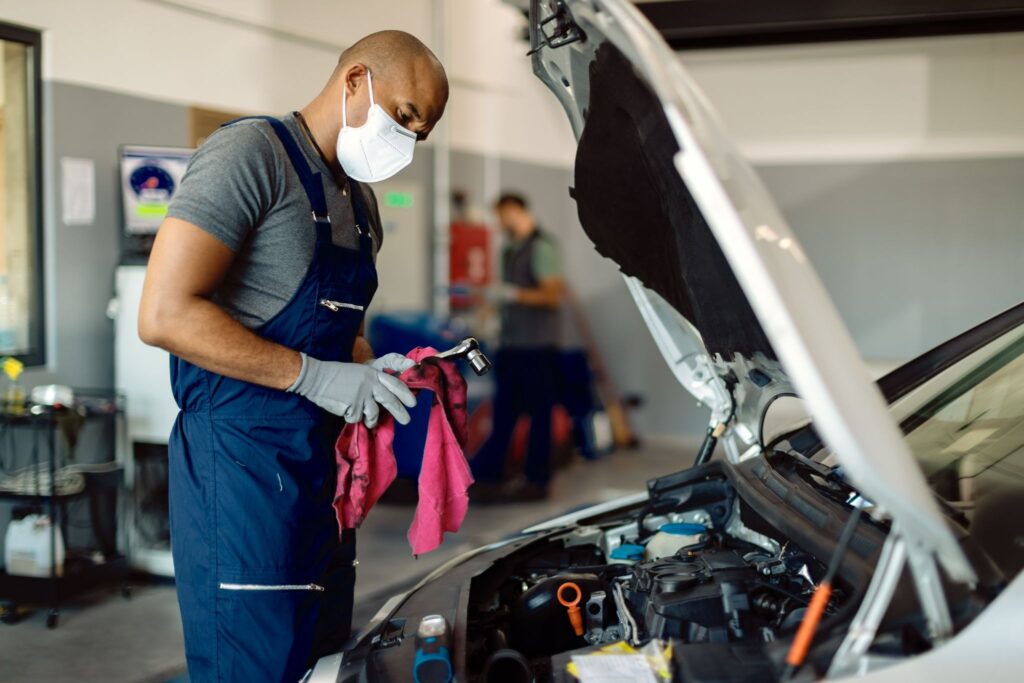
Preventive car maintenance is one of the most effective ways to keep a vehicle reliable, safe, and affordable to own. Regular inspections and servicing help identify small issues before they turn into major mechanical failures that require expensive repairs. This guide explains how preventive maintenance works, what services should be included, and how following a proper maintenance plan can help you prevent costly car repairs and maximize the lifespan of your vehicle.
What Is Preventive Car Maintenance?
Understanding Preventive Car Maintenance
Preventive car maintenance refers to regularly scheduled inspections, adjustments, and replacements designed to keep vehicle systems operating efficiently. It focuses on preventing breakdowns and component failures instead of fixing problems after they occur.
Why Every Vehicle Needs Routine Vehicle Maintenance
Routine vehicle maintenance reduces wear on critical systems and helps ensure consistent vehicle performance. Regular service also improves safety, reliability, fuel economy, and long-term ownership costs.
How Preventive Car Maintenance Helps You Avoid Expensive Repairs
Prevents Engine Damage
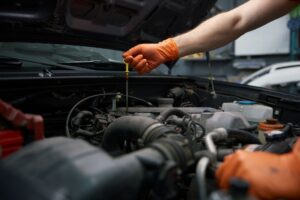
Regular oil changes and fluid checks protect engine components from excessive friction and overheating. Replacing oil at recommended intervals can help avoid engine repairs that often cost $3,000 to $10,000 or more.
Extends Transmission Life
Transmission fluid lubricates internal components and helps maintain proper shifting performance. Routine transmission service can prevent premature wear that may lead to repairs costing $2,000 to $7,000.
Protects Your Braking System
Brake inspections allow technicians to replace pads before they damage rotors and calipers. Addressing brake wear early is significantly less expensive than replacing multiple braking components.
Prevents Battery Failure
Battery testing identifies weakening performance before complete failure occurs. Replacing an aging battery proactively helps avoid roadside breakdowns and electrical issues.
Reduces Suspension and Steering Repairs
Routine inspections reveal worn shocks, struts, tie rods, and bushings before they affect vehicle handling. Early replacement prevents additional strain on connected suspension and steering components.
Essential Preventive Car Maintenance Checklist
A complete car maintenance checklist helps drivers stay on track with essential service intervals.
Monthly Car Maintenance Checklist
Monthly inspections should include:
- Tire pressure checks
- Tire tread inspections
- Engine oil level checks
- Coolant level inspections
- Windshield washer fluid checks
- Exterior light inspections
- Wiper blade inspections
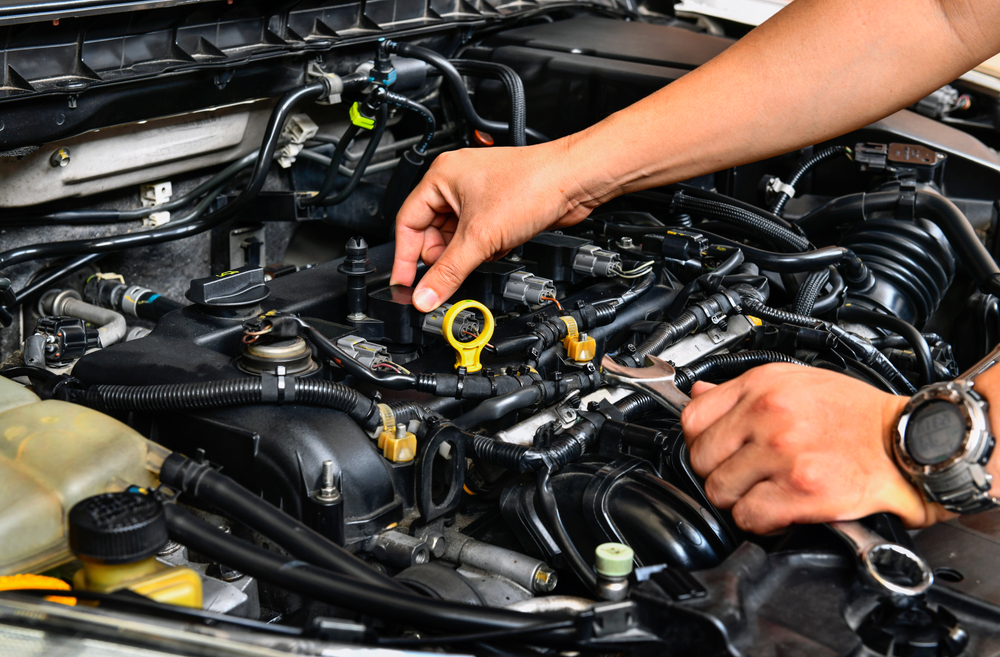
These simple checks help identify developing issues before they become serious problems.
Every 5,000–10,000 Miles
Most vehicles benefit from the following services every 5,000 to 10,000 miles:
- Oil and filter changes
- Tire rotations
- Brake inspections
- Fluid level inspections
- Air filter checks
- Battery testing
Following these intervals helps maintain consistent vehicle performance and reliability.
Every 30,000–60,000 Miles
Major maintenance services often include:
- Transmission fluid replacement
- Coolant flushes
- Spark plug replacement
- Fuel system cleaning
- Brake fluid replacement
- Drive belt inspections
These services protect high-value vehicle systems from premature wear.
Annual Vehicle Maintenance Schedule
A yearly vehicle maintenance schedule should include a comprehensive inspection of all major systems. Annual evaluations help uncover hidden issues before they result in costly breakdowns.
Common Car Problems That Preventive Maintenance Can Prevent
Engine Overheating
Routine coolant inspections and cooling system maintenance help regulate engine temperatures. Proper care of the cooling system reduces the risk of head gasket damage and engine failure.
Brake Failure
Regular brake inspections identify worn pads, rotors, and hydraulic components before performance declines. Preventive brake service helps maintain stopping power and driver safety.
Transmission Problems
Transmission fluid degrades over time and loses its protective properties. Scheduled fluid replacement helps reduce internal wear and shifting problems.
Tire Blowouts
Tire inspections reveal uneven wear, low tread depth, and improper inflation. Correcting these issues lowers the risk of tire failure at highway speeds.
Battery Failure
Battery terminals can corrode and battery capacity naturally decreases with age. Regular testing helps drivers replace batteries before unexpected failures occur.
Electrical System Issues
Inspecting wiring, alternators, and charging systems helps maintain reliable electrical performance. Early diagnosis prevents minor electrical concerns from becoming major repairs.
The Financial Benefits of Preventive Car Maintenance
Lower Repair Costs
Preventive maintenance addresses small issues before they become expensive mechanical failures. Spending a few hundred dollars annually on maintenance can save thousands in repair expenses.
Better Fuel Efficiency
Clean filters, fresh fluids, and properly inflated tires improve vehicle efficiency. Many drivers notice measurable fuel savings when maintenance schedules are consistently followed.
Longer Vehicle Lifespan
Well-maintained vehicles often remain dependable for 200,000 miles or more. Consistent service reduces cumulative wear on major components and systems.
Higher Resale Value
Documented maintenance records demonstrate responsible ownership and vehicle care. Buyers frequently pay more for vehicles with verified service histories.
Fewer Emergency Breakdowns
Unexpected breakdowns often result in towing costs, emergency repairs, and lost productivity. Preventive service reduces the likelihood of sudden mechanical failures.
If you want professional assistance with inspections and scheduled maintenance, reach out to Status Automotive & Collision to keep your vehicle operating at its best year-round.
Warning Signs Your Vehicle Needs Immediate Maintenance
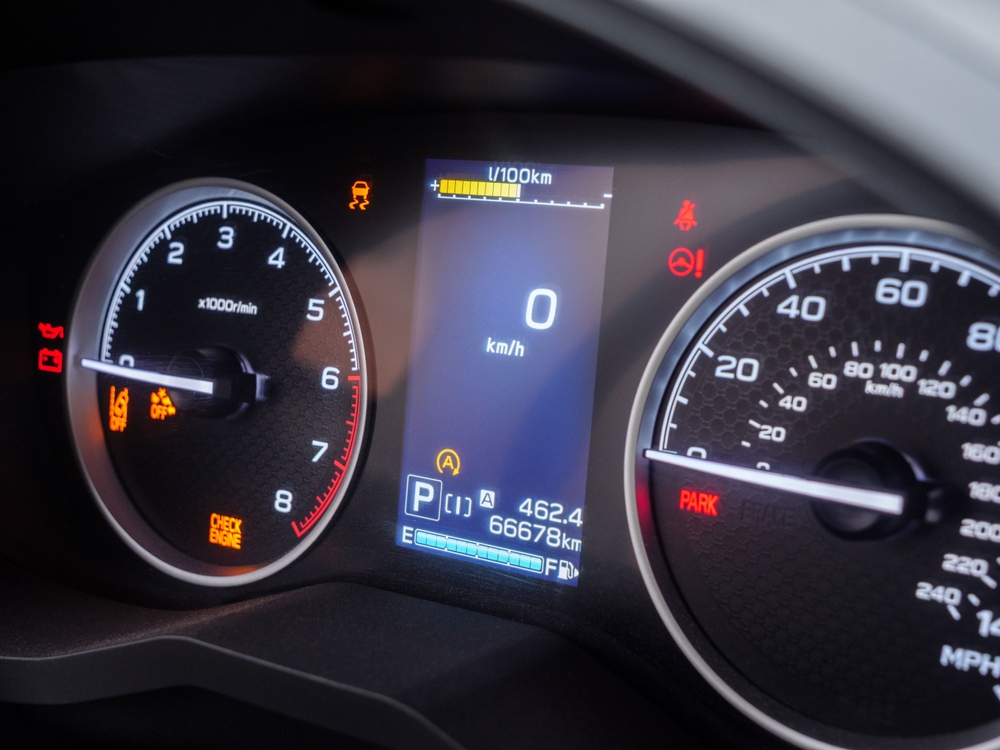
Dashboard Warning Lights
Warning lights indicate that vehicle monitoring systems have detected a problem requiring attention. Ignoring these alerts can allow minor issues to become expensive repairs.
Strange Noises
Grinding, knocking, squealing, and rattling sounds often signal component wear or failure. Prompt diagnosis helps prevent additional damage.
Fluid Leaks
Leaking oil, coolant, transmission fluid, or brake fluid should never be ignored. Fluid loss can quickly compromise vehicle performance and safety.
Burning Smells
Burning odors may indicate overheating components, fluid leaks, or electrical problems. Immediate inspection helps reduce the risk of severe damage.
Poor Fuel Economy
A noticeable drop in fuel efficiency often points to maintenance-related issues. Dirty filters, worn spark plugs, and tire problems are common causes.
Difficulty Starting the Vehicle
Slow cranking and repeated attempts to start may indicate issues with the battery, starter, fuel, or ignition system. Early diagnosis helps prevent unexpected breakdowns.
Preventive Car Maintenance Tips Every Driver Should Follow
Follow the Manufacturer’s Vehicle Maintenance Schedule
Manufacturers develop service intervals based on extensive testing and engineering data. Following the recommended vehicle maintenance schedule helps maximize performance and reliability.
Keep Detailed Service Records
Maintenance records help track completed services and upcoming needs. Accurate documentation also supports higher resale values.
Don’t Ignore Small Problems
Minor issues rarely resolve themselves and often become more expensive over time. Addressing concerns early helps prevent costly car repairs and unexpected downtime.
Check Tire Pressure Regularly
Proper tire inflation improves handling, safety, and fuel efficiency. Monthly pressure checks can also extend tire lifespan significantly.
Replace Worn Parts Before They Fail
Replacing aging components proactively reduces the risk of secondary damage. Preventive replacement is usually far less expensive than emergency repairs.
Schedule Regular Professional Inspections
Professional inspections identify problems that may not be visible during routine checks. Experienced technicians can spot developing issues before symptoms become severe.
Professional Preventive Car Maintenance vs DIY Maintenance
Maintenance Tasks You Can Do Yourself
Many basic maintenance tasks can be completed at home, including:
- Checking tire pressure
- Monitoring fluid levels
- Replacing windshield wipers
- Inspecting lights
- Replacing cabin air filters
These simple tasks support a healthy maintenance routine between service appointments.
Maintenance Best Left to Professionals
Professional technicians should handle:
- Brake repairs
- Transmission service
- Engine diagnostics
- Suspension repairs
- Cooling system repairs
- Electrical troubleshooting
Specialized tools and expertise help ensure these services are completed correctly and safely.
How Often Should You Schedule Preventive Car Maintenance?
Mileage-Based Maintenance
Mileage-based maintenance follows service intervals established by the vehicle manufacturer. Common milestones include 5,000, 30,000, 60,000, and 100,000-mile inspections.
Time-Based Maintenance
Some maintenance items should be serviced based on age rather than mileage. Brake fluid, coolant, and batteries may require replacement even when driving distances remain low.
Driving Conditions That Require More Frequent Maintenance
Severe driving conditions increase wear on vehicle components and systems. Frequent stop-and-go traffic, towing, extreme temperatures, and dusty environments often require shorter service intervals.

Why Choosing a Trusted Auto Repair Shop Matters
Certified Technicians
Certified technicians receive ongoing training on modern vehicle systems and repair procedures. Their expertise helps ensure accurate diagnoses and quality repairs.
Comprehensive Vehicle Inspections
Thorough inspections evaluate multiple systems during each service visit. This approach helps identify hidden issues before they become serious concerns.
Quality Replacement Parts
High-quality replacement parts provide better durability and performance than inferior alternatives. Reliable components also help reduce repeat repair visits.
Honest Maintenance Recommendations
Trustworthy repair shops recommend services based on vehicle needs rather than unnecessary upselling. Transparent communication helps drivers make informed maintenance decisions.
Frequently Asked Questions
How often should preventive car maintenance be performed?
Most vehicles should receive maintenance every 5,000 to 10,000 miles, along with monthly inspections and annual comprehensive evaluations. Always follow the manufacturer’s recommendations for your specific vehicle.
What happens if I skip routine vehicle maintenance?
Skipping routine vehicle maintenance increases the risk of breakdowns, component failures, reduced fuel efficiency, and expensive repairs. Neglected maintenance can also shorten a vehicle’s lifespan and lower its resale value.
What is included in a preventive car maintenance checklist?
A car maintenance checklist typically includes oil changes, tire rotations, brake inspections, fluid checks, battery testing, filter replacements, and inspections of major vehicle systems. Specific requirements vary by vehicle model and mileage.
Can preventive car maintenance improve fuel efficiency?
Yes, preventive maintenance helps engines operate more efficiently by ensuring clean filters, proper fluid levels, healthy ignition components, and correctly inflated tires. Improved efficiency often results in lower fuel costs.
How does preventive maintenance increase a car’s lifespan?
Preventive maintenance reduces wear, identifies problems early, and keeps critical systems functioning properly. Consistent service helps vehicles remain reliable for many more years and miles.
Protect Your Vehicle Before Problems Become Expensive
Preventive car maintenance is one of the smartest investments a vehicle owner can make because it reduces repair costs, improves reliability, increases fuel efficiency, and extends vehicle lifespan. Following a structured maintenance plan, using a detailed car maintenance checklist, and staying proactive with inspections can help drivers avoid major mechanical failures and prevent costly car repairs before they happen.
For expert maintenance services and professional vehicle inspections, contact Status Automotive & Collision today and create a customized maintenance plan that keeps your vehicle running safely and efficiently for years to come.