A car maintenance checklist for high-mileage vehicles is essential for keeping aging cars reliable, safe, and efficient. As vehicles accumulate mileage, parts naturally wear down, making routine inspections and timely servicing more important than ever. Proper maintenance helps reduce breakdown risks and extends overall vehicle lifespan.
Routine care for high-mileage vehicles focuses on preventive inspections, fluid management, and timely replacement of wear-prone components. A structured maintenance approach improves performance, enhances safety, and reduces long-term repair costs by addressing issues early before they escalate into major mechanical failures.
Many high-mileage vehicles can remain dependable with the right care strategy. Understanding what to inspect and when to service critical systems is the foundation of long-term automotive health.
Why Maintenance Matters More for High-Mileage Vehicles
As cars age, wear and tear become more pronounced across mechanical and electrical systems. Consistent upkeep becomes less optional and more necessary for safe operation.
What Counts as a High-Mileage Vehicle?
Typically, vehicles with over 75,000 to 100,000 miles are considered high-mileage. However, modern engineering allows many cars to exceed 150,000 miles with proper care. At this stage, high-mileage vehicle maintenance becomes focused on prevention rather than repair.
Common Wear and Tear Issues in Older Cars
These issues make a detailed car maintenance checklist critical for long-term reliability. Older vehicles often experience:
- Engine oil degradation and sludge buildup
- Brake pad thinning and rotor wear
- Suspension weakening
- Transmission hesitation
- Rubber hose and belt cracking
How Regular Maintenance Helps Extend Vehicle Life
This is where structured high-mileage car care plays a vital role in sustaining performance over time. Routine servicing improves durability by:
- Preventing sudden breakdowns
- Maintaining fuel efficiency
- Preserving engine performance
- Reducing costly emergency repairs
Essential Routine Car Maintenance Checklist for High-Mileage Vehicles
A consistent system of inspections ensures every major component stays in working condition. These are the essential car maintenance tasks every owner should prioritize.
Check and Change Engine Oil Regularly
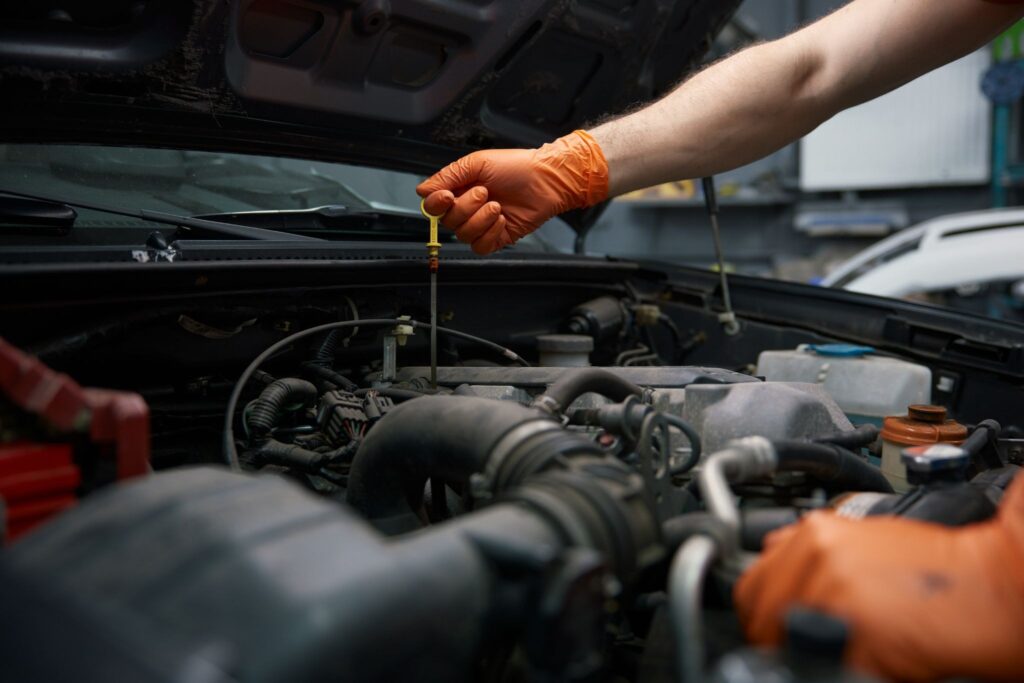
Oil lubricates, cools, and protects internal engine parts from friction and heat damage. In high-mileage vehicles, oil breaks down faster and may accumulate contaminants, so frequent checks and timely oil changes are critical to prevent engine wear and extend lifespan.
Inspect and Top Off All Fluids
Fluids such as transmission fluid, brake fluid, coolant, and power steering fluid keep essential systems functioning properly. Low levels or contaminated fluids can cause overheating, poor braking response, or complete system failure if not addressed early.
Monitor Tire Pressure and Tread Wear
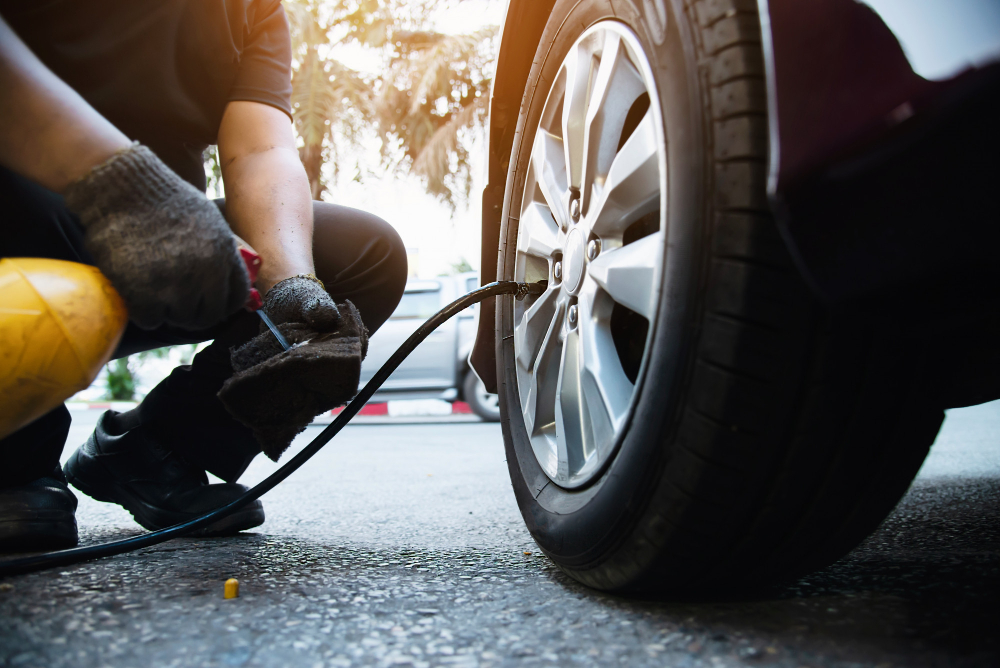
Proper tire pressure ensures even contact with the road, improving safety, fuel efficiency, and handling stability. Uneven tread wear often signals alignment or suspension issues that should be corrected before they worsen.
Inspect Brakes for Wear and Performance
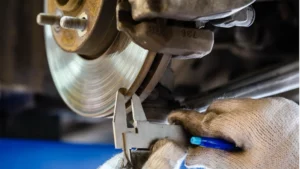
Brake pads, rotors, and calipers wear down over time and must be checked regularly for thickness and responsiveness. Early detection of brake wear helps maintain reliable stopping power and prevents costly rotor damage.
Replace Air Filters as Needed
Air filters prevent dust and debris from entering the engine and affecting combustion efficiency. When clogged, they reduce airflow, leading to decreased performance, lower fuel economy, and increased engine strain.
Test the Battery and Charging System
Battery strength naturally declines in older vehicles, making it harder to maintain consistent starting power. Regular testing of both the battery and alternator helps prevent sudden no-start situations and electrical issues.
Check Belts and Hoses for Cracks or Leaks
Rubber belts and hoses deteriorate due to heat and age, increasing the risk of cracks, leaks, or sudden failure. Replacing worn components early helps avoid overheating, engine damage, or loss of critical functions.
Inspect Suspension and Steering Components
Suspension parts like shocks, struts, and steering linkages wear down and affect ride comfort and control. Worn components can lead to unstable handling, uneven tire wear, and reduced driving safety.
Replace Spark Plugs and Inspect Ignition Components
Spark plugs play a key role in engine combustion and fuel efficiency, but they degrade over time and cause misfires. Regular inspection and replacement help maintain smooth engine performance and consistent fuel economy.
Watch for Transmission Service Needs
The transmission relies on clean, properly functioning fluid to shift gears smoothly and avoid internal wear. Delayed service can lead to slipping gears, overheating, and expensive transmission repairs in high-mileage cars.
At this stage, professional inspections from trusted service centers like Status Automotive & Collision can help identify hidden issues early and ensure comprehensive system checks.
High-Mileage Vehicle Maintenance by Mileage Interval
A structured vehicle maintenance schedule helps organize servicing based on mileage milestones.
Maintenance Tasks Every 3,000 to 5,000 Miles
- Oil and filter change
- Tire pressure check
- Fluid level inspection
- Visual brake inspection
Maintenance Tasks Every 15,000 to 30,000 Miles
- Air filter replacement
- Fuel system cleaning
- Brake system evaluation
- Battery testing
Maintenance Tasks Beyond 75,000 or 100,000 Miles
- Timing belt inspection or replacement
- Transmission service
- Suspension component checks
- Comprehensive engine diagnostics
| Mileage Range | Key Focus | Priority Systems |
| 3,000–5,000 | Basic upkeep | Oil, tires, fluids |
| 15,000–30,000 | Preventive care | Filters, brakes, battery |
| 75,000–100,000+ | Deep maintenance | Transmission, engine, suspension |
Following this structure ensures consistent high-mileage vehicle maintenance across all systems.
Warning Signs Your High-Mileage Car Needs Immediate Attention
- Strange Noises, Vibrations, or Burning Smells: These symptoms often indicate mechanical stress or failing components.
- Fluid Leaks Under the Vehicle: Leaks may signal gasket failure, hose cracks, or seal deterioration.
- Dashboard Warning Lights You Should Not Ignore: Warning lights indicate system faults that require immediate diagnosis.
- Reduced Fuel Efficiency or Engine Performance: A sudden drop in efficiency often points to ignition or fuel system issues.
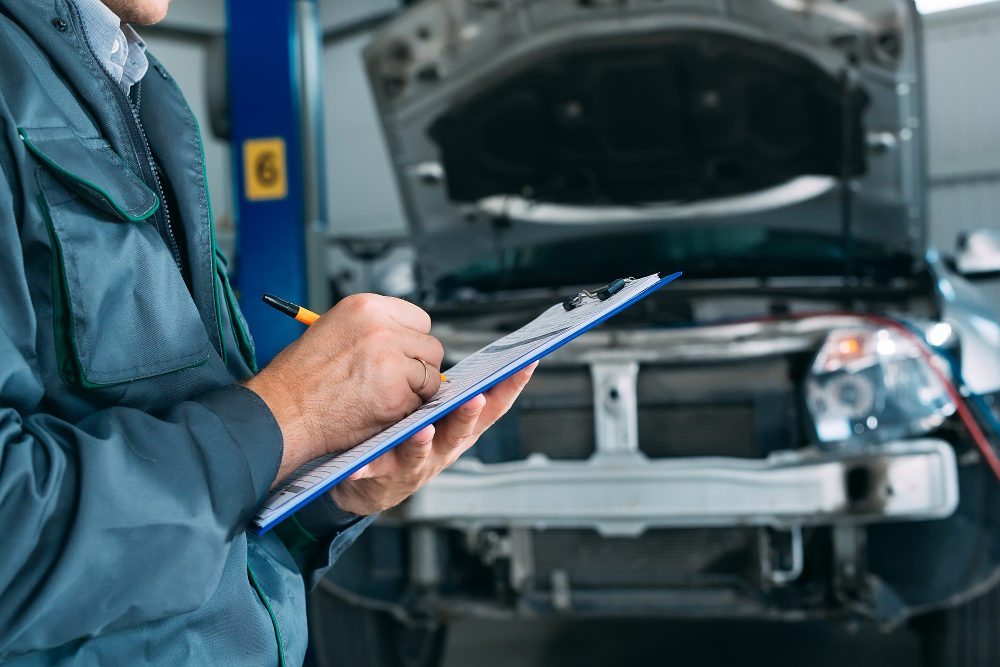
Preventive Maintenance Tips to Keep an Older Car Running Strong
Effective maintenance tips for older vehicles focus on consistency and early intervention. These practices are essential for how to maintain a high-mileage car effectively over time.
- Stick to a Consistent Maintenance Schedule: A structured plan ensures no critical service is missed.
- Use Quality Replacement Parts and Fluids: Higher-quality components improve durability and performance.
- Keep Service Records for Future Repairs: Documentation helps track issues and anticipate upcoming needs.
- Address Small Problems Before They Become Expensive Repairs: Small issues escalate quickly in aging vehicles.
DIY Maintenance vs Professional Auto Service
Maintaining high-mileage vehicles often requires a balance between what you can handle at home and what needs expert attention.
Simple Maintenance Tasks You Can Do at Home
- Checking tire pressure
- Replacing windshield wipers
- Topping off fluids
- Inspecting lights
Repairs Best Left to a Trusted Mechanic
- Transmission repair
- Engine diagnostics
- Suspension replacement
- Brake system overhauls
How Routine Inspections Save Money Over Time
Preventive inspections reduce unexpected breakdowns and lower long-term repair costs by identifying issues early.
Seasonal Car Care Tips for High-Mileage Vehicles
Preparing for Hot Weather Driving
- Check coolant levels
- Inspect radiator condition
- Test battery strength
Cold Weather Maintenance Checks
- Ensure proper oil viscosity
- Inspect heater system
- Check tire grip and pressure
Road Trip Inspection Checklist for Older Vehicles
- Brake inspection
- Fluid top-offs
- Tire condition check
- Emergency kit preparation
When It May Be Time to Repair or Replace Your High-Mileage Vehicle
Signs Repair Costs Are Adding Up
When repair visits become frequent, and each fix is followed by another issue, it often signals that multiple systems are beginning to fail. At this point, maintaining high-mileage vehicles can start costing more than the car’s actual value, making it important to assess long-term financial sense.
How to Evaluate Reliability and Safety
Reliability should be measured by how consistently the vehicle starts, runs, and handles under normal driving conditions. If safety systems, braking, or steering show instability, the vehicle may no longer be dependable for everyday use.
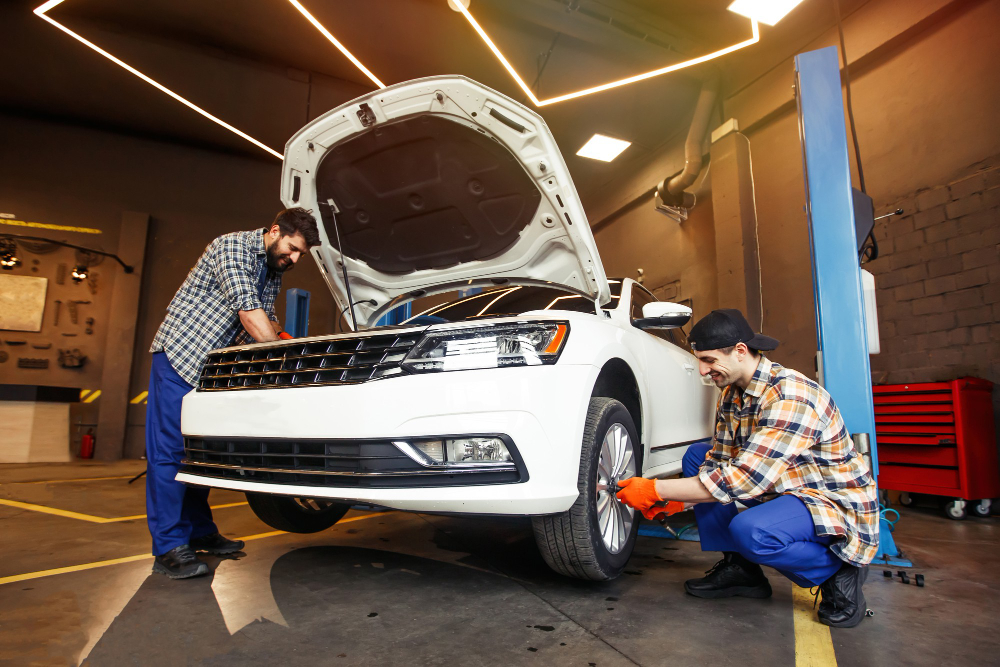
Getting the Most Value Out of an Older Car
Older cars can still provide value when maintenance is proactive and targeted toward critical systems like the engine and transmission. However, once major components repeatedly fail, replacing the vehicle may become more practical than continuous investment in repairs.
Keeping High-Mileage Cars Reliable for the Long Run
Maintaining aging vehicles requires consistency, awareness, and structured planning. A strong vehicle maintenance schedule, combined with disciplined inspection routines, helps extend the lifespan of older cars and improves safety on the road. Understanding how to maintain a high-mileage car ensures owners can maximize performance while minimizing costly breakdowns.
Reliable service providers like Status Automotive & Collision play an important role in delivering expert diagnostics and repairs that support long-term vehicle health. Contact us today!
References
- U.S. Department of Transportation (DOT) – Vehicle Safety & Maintenance Resources
https://www.transportation.gov/mission/safety - National Highway Traffic Safety Administration (NHTSA) – Car Maintenance & Safety Tips
https://www.nhtsa.gov/road-safety/vehicle-maintenance - AAA Automotive – Car Maintenance & Repair Advice / Longevity Guides
https://www.aaa.com/autorepair/ - Car Care Council – Preventive Maintenance Guide & Checklist
https://carcare.org/car-care-guide/
Frequently Asked Questions
How often should you service a high-mileage vehicle?
Most high-mileage vehicles should be serviced every 3,000 to 5,000 miles for basic maintenance. More detailed inspections should be done at longer intervals based on manufacturer recommendations and driving conditions.
What oil is best for high-mileage cars?
High-mileage engine oil is recommended because it contains additives that help reduce leaks and improve engine sealing. It also supports older engine components more effectively.
Is it worth repairing a car with over 100,000 miles?
It depends on the overall condition and repair costs. If the vehicle is mechanically sound and maintenance costs remain reasonable, continued use can be cost-effective.
What maintenance is most important for older vehicles?
Oil changes, brake inspections, fluid checks, and transmission servicing are among the most critical maintenance tasks for older vehicles.
How can I make my high-mileage car last longer?
Regular servicing, using quality parts, and addressing small issues early are key strategies. Following a consistent maintenance plan significantly extends vehicle life.
Should transmission fluid be changed in a high-mileage vehicle?
Yes, transmission fluid should be checked and replaced as needed. Clean fluid helps maintain smooth shifting and prevents internal wear in older transmissions.