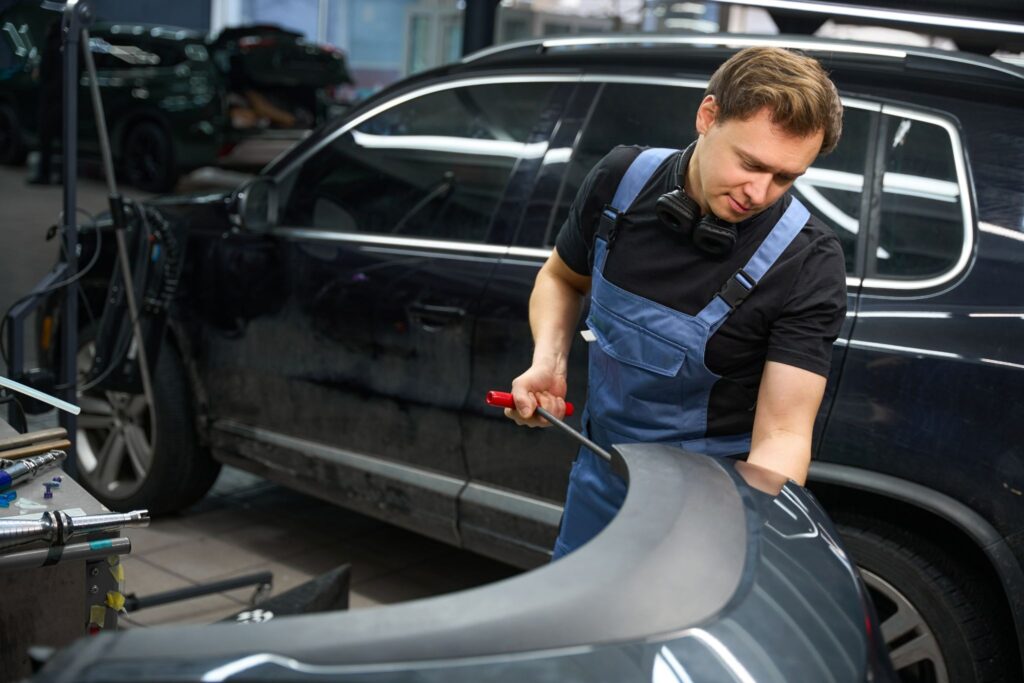
A professional auto repair and collision shop provides complete repair support after accidents, body damage, and mechanical issues. Instead of visiting multiple locations, drivers can handle inspections, body work, diagnostics, and repairs in one place.
Choosing a one stop auto repair shop matters because modern vehicles often require both cosmetic and mechanical repairs after a collision. This guide explains how collision repair services, diagnostics, and auto body and mechanical repair work together to restore vehicle safety, appearance, and performance.
What Is an Auto Repair and Collision Shop?
An auto repair and collision shop is a facility that handles both collision-related body repairs and mechanical vehicle repairs. These shops combine paint work, frame restoration, diagnostics, and mechanical services under one roof.
Drivers often choose these facilities because many accidents create hidden issues beyond visible dents or scratches. A complete repair process helps ensure the vehicle is restored properly after damage.
How an Auto Repair and Collision Shop Helps Drivers
An auto repair and collision shop helps drivers save time by managing repairs, diagnostics, and inspections in one location. It also improves communication between technicians handling structural, cosmetic, and mechanical repairs.
What Makes a One Stop Auto Repair Shop Different?
A one stop auto repair shop stands out because it combines body repair, paint work, diagnostics, and mechanical services in one coordinated process. This setup reduces delays and helps repair teams work more efficiently.
Complete Repair Support in One Location
A one stop auto repair shop allows customers to complete inspections, insurance documentation, body work, and mechanical repairs without transferring the vehicle elsewhere. This streamlined process can reduce downtime and improve repair accuracy.
Better Coordination Between Technicians
Better coordination happens when body technicians and mechanical specialists work within the same facility. Shared communication helps identify hidden accident-related issues earlier in the repair process.
More Convenient Customer Experience
A centralized repair process makes scheduling and vehicle updates easier for customers. Drivers also avoid the inconvenience of managing multiple repair appointments across different businesses.
Top Benefits of Choosing a Full-Service Auto Repair Shop
A full-service auto repair shop simplifies the repair experience by combining multiple vehicle services under one roof. This approach often improves repair consistency and customer convenience.
A Full-Service Auto Repair Shop Saves Time
A full-service auto repair shop reduces the need for outside referrals and additional repair scheduling. Faster coordination can shorten repair timelines after an accident or major vehicle damage.
A Full-Service Auto Repair Shop Reduces Stress
Customers experience less stress when one team manages diagnostics, repairs, and insurance communication. Centralized service also makes progress tracking easier during repairs.
A Full-Service Auto Repair Shop Can Improve Repair Quality
Repair quality often improves because technicians can identify structural and mechanical concerns together. Coordinated repairs help reduce the risk of missed accident-related problems.
A Full-Service Auto Repair Shop Helps With Repair Documentation
A full-service auto repair shop can help organize repair estimates, inspection reports, and insurance documentation. Proper records also support future resale value and maintenance tracking.
Why Collision Repair Services Often Need Mechanical Inspections
Professional collision repair services should include mechanical inspections because accident damage is not always visible externally. Modern vehicles contain complex safety and electronic systems that can be affected during impact.
Collision Damage Is Not Always Visible
Hidden collision damage may affect suspension systems, wheel alignment, steering components, or sensors. Even low-speed accidents can create internal mechanical problems that require diagnostics.
Mechanical Issues That Can Happen After a Collision
Mechanical issues after a collision can include fluid leaks, brake damage, steering misalignment, and transmission problems. Electrical issues involving cameras, sensors, and airbags may also appear after impact.
Why Complete Collision Repair Services Matter
Complete collision repair services help ensure the vehicle is safe, functional, and structurally sound before returning to the road. Comprehensive inspections also help prevent long-term repair complications.
Auto Body and Mechanical Repair: Why Both Matter After an Accident
Auto body and mechanical repair should work together after an accident because structural appearance and driving safety are closely connected. Ignoring one side of the repair process can leave hidden problems unresolved.
Auto Body Repair Restores Appearance and Structure
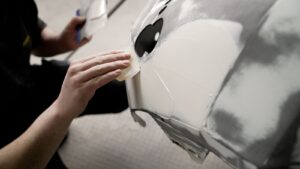
Auto body repair fixes dents, damaged panels, paint issues, and frame alignment problems. Proper structural restoration also helps maintain crash protection standards.
Mechanical Repair Restores Safety and Performance
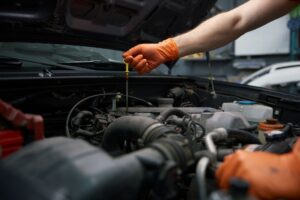
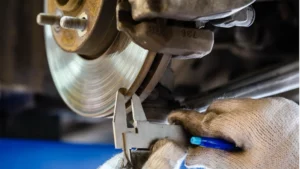
Mechanical repair restores systems such as brakes, suspension, steering, and engine performance. Diagnostic testing also confirms the vehicle operates correctly after repairs.
Auto Body and Mechanical Repair Work Best Together
Auto body and mechanical repair work best together because modern vehicles rely on interconnected structural and electronic systems. Coordinated repairs help improve both appearance and road safety.
Midway through the repair process, many drivers choose Status Automotive & Collision because integrated service helps reduce delays and improve communication between repair specialists.
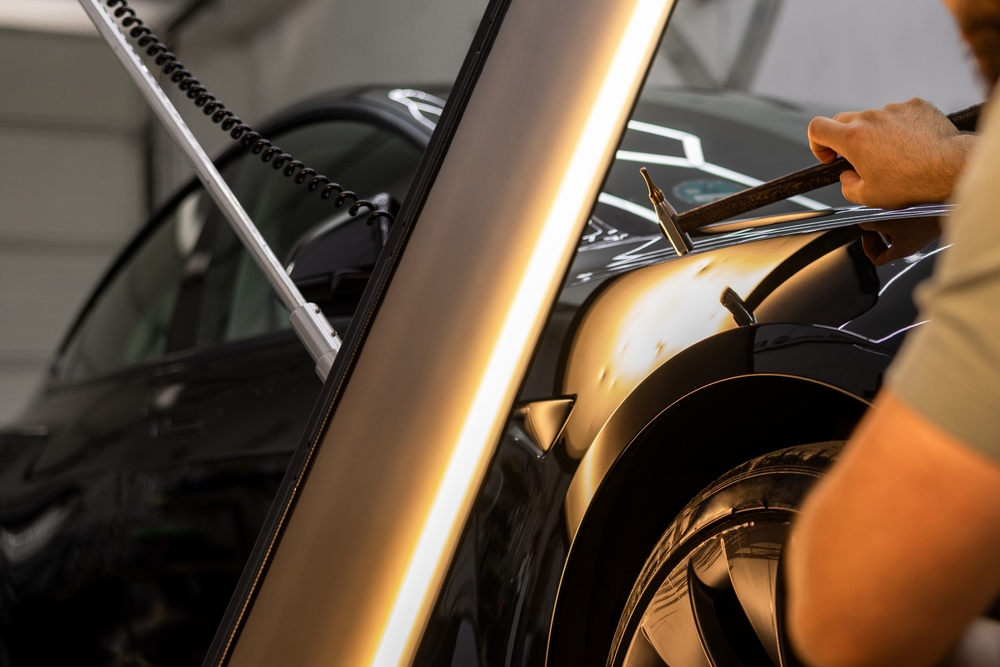
How a One Stop Auto Repair Shop Helps With Car Repair After Accident Damage
A one stop auto repair shop simplifies car repair after accident damage by handling inspections, body repairs, diagnostics, and final testing in one facility. This process improves repair efficiency and customer convenience.
Step 1: Vehicle Damage Inspection
Technicians begin by inspecting visible and hidden vehicle damage after the collision. Digital diagnostics and structural measurements help identify safety concerns early.
Step 2: Repair Estimate and Service Recommendations
Repair teams create detailed estimates outlining labor, parts, and required services. Customers also receive recommendations for mechanical inspections and safety-related repairs.
Step 3: Collision Repair Services and Body Work
Professional collision repair services restore damaged panels, repaint surfaces, and repair structural damage. Frame alignment equipment helps ensure the vehicle meets manufacturer specifications.
Step 4: Mechanical Repair and Diagnostics
Mechanical technicians inspect brakes, suspension systems, steering, sensors, and drivetrain components. Diagnostic scans also verify that warning systems and safety features function correctly.
Step 5: Final Safety Check and Vehicle Pickup
Final inspections confirm the vehicle meets repair and safety standards before delivery. Customers also receive documentation summarizing completed repairs and inspections.
Common Services Offered by an Auto Repair and Collision Shop
An auto repair and collision shop typically provides both cosmetic and mechanical repair services. Many facilities also assist with post-accident inspections and insurance support.
Collision Repair Services
Common collision repair services include dent removal, frame straightening, panel replacement, and paint matching. Advanced repair facilities may also recalibrate sensors and safety systems.
Auto Body Repair Services
Auto body repair services focus on restoring the vehicle’s appearance and structural integrity. These repairs often include repainting, refinishing, and bumper restoration.
Mechanical Auto Repair Services
Mechanical services may include brake repair, suspension repair, wheel alignment, diagnostics, and engine inspections. Many shops also handle post-collision fluid leaks and electrical problems.
Post-Accident Vehicle Safety Services
Post-accident safety services include airbag inspections, ADAS calibration, wheel alignment testing, and structural assessments. These inspections help confirm the vehicle is safe to drive after repairs.
One Stop Auto Repair Shop vs. Separate Repair Shops
| Feature | One Stop Auto Repair Shop | Separate Repair Shops |
| Repair Coordination | Centralized communication | Multiple businesses involved |
| Repair Timeline | Often faster | Potential delays between shops |
| Customer Convenience | Single appointment process | Multiple visits required |
| Documentation | Unified repair records | Separate paperwork |
| Mechanical Diagnostics | Integrated with body work | May require outside referral |
| Insurance Communication | Easier coordination | More complex process |
| Overall Efficiency | Streamlined workflow | Fragmented workflow |
How Choosing an Auto Repair and Collision Shop Can Protect Vehicle Value
Choosing a professional auto repair and collision shop can help preserve long-term vehicle value after repairs. Proper repair procedures improve appearance, performance, and buyer confidence.
Proper Repairs Help Preserve Resale Value
Correct structural and cosmetic repairs help maintain resale appeal and trade-in value. Buyers often look for documented professional repair work before purchasing used vehicles.
Professional Paint and Body Work Maintain Appearance
Professional paint matching and body repair help vehicles maintain a clean, factory-like appearance. Quality refinishing also helps protect surfaces from rust and premature wear.
Mechanical Repairs Help Prevent Future Problems
Mechanical repairs help reduce the risk of future safety or performance issues after a collision. Preventive diagnostics can also identify hidden damage before it worsens.
What to Look for in a Reliable Auto Repair and Collision Shop
A reliable auto repair and collision shop should provide transparent communication, experienced technicians, and complete repair capabilities. Customers should also review certifications, warranties, and repair equipment before scheduling service.
Experience With Collision Repair Services
Experienced technicians understand modern repair procedures, frame restoration, and manufacturer safety requirements. Specialized experience also improves repair consistency and accuracy.
Full-Service Auto Repair Shop Capabilities
A dependable full-service auto repair shop should provide diagnostics, body repair, paint services, and mechanical repairs internally. Integrated service capabilities help reduce repair delays and outsourcing issues.
Clear Estimates and Honest Communication
Professional shops provide clear written estimates and realistic repair timelines. Honest communication also helps customers understand repair priorities and insurance processes.
Strong Reviews and Customer Trust
Positive reviews often reflect consistent workmanship and customer satisfaction. Local reputation also helps identify repair facilities with reliable service standards.
Warranty or Guarantee on Eligible Repairs
Many reputable shops offer warranties on eligible labor and replacement parts. Warranty support adds confidence and long-term protection for customers.
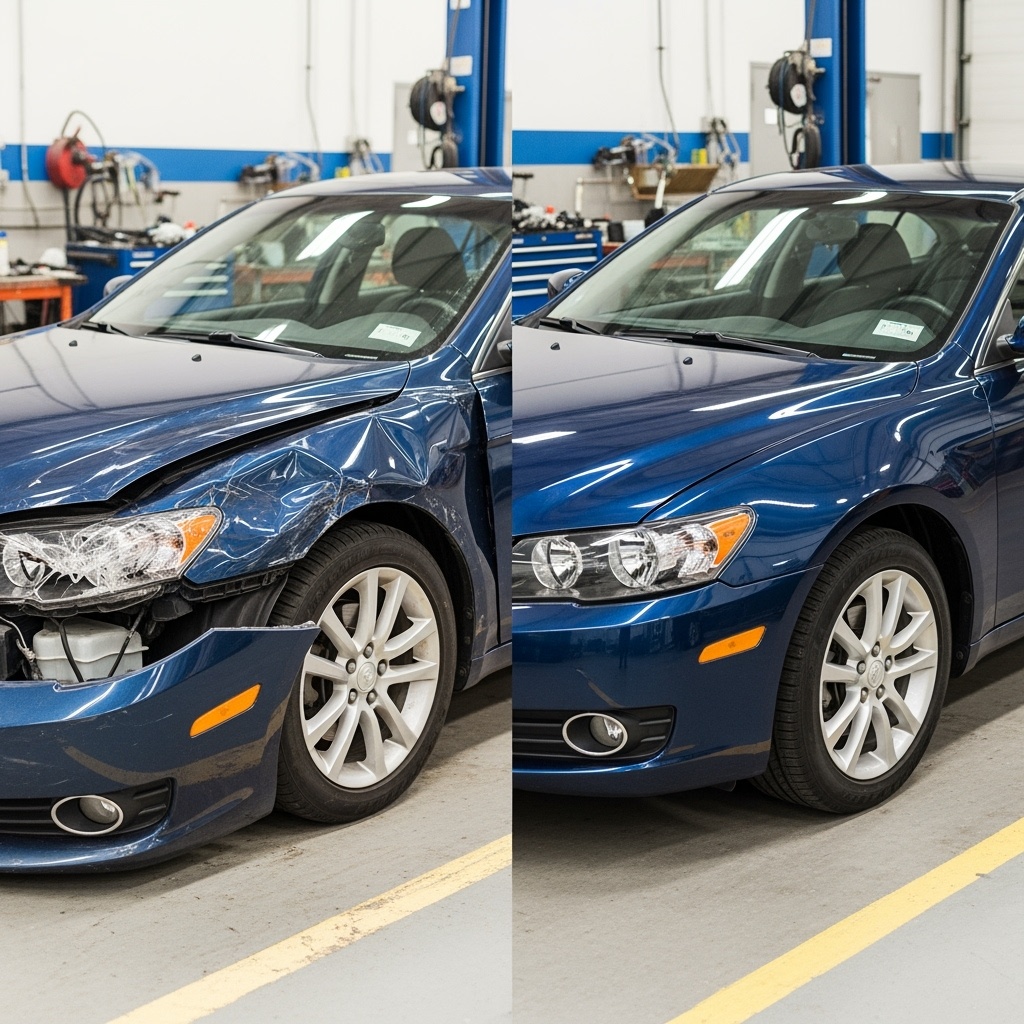
When Should You Visit an Auto Repair and Collision Shop?
Drivers should visit an auto repair and collision shop immediately after accidents, visible body damage, or unusual driving behavior. Early inspections help prevent minor problems from becoming major repairs.
After a Car Accident
Drivers should schedule car repair after accident damage as soon as possible after a collision. Fast inspections can identify hidden structural or mechanical issues before they worsen.
When You Notice Body Damage
Visible dents, cracked bumpers, paint damage, or panel misalignment should be inspected quickly. Prompt repairs also help prevent rust and additional deterioration.
When Your Vehicle Feels Different After Impact
Changes in steering, braking, alignment, or suspension often indicate hidden collision damage. Diagnostic testing can help identify safety concerns before further driving.
Questions to Ask Before Choosing a One Stop Auto Repair Shop
Before choosing a one stop auto repair shop, ask these important questions:
- Does the shop provide both body and mechanical repairs?
- Are diagnostics included with collision inspections?
- Does the facility work with insurance providers?
- Are technicians certified for structural and safety repairs?
- Is there a warranty on eligible repairs?
- How long will the repair process take?
- Will the shop provide written estimates and documentation?
- Does the facility perform post-repair safety inspections?
Is a One Stop Auto Repair Shop Worth It?
Yes, a one stop auto repair shop is often worth it because it improves convenience, communication, and repair efficiency. Combining diagnostics, body work, and mechanical repairs under one roof can also help reduce delays and overlooked issues.
Many drivers prefer integrated repair facilities because modern vehicles contain advanced electronics, sensors, and structural systems that require coordinated repair work. Shops that handle both body and mechanical repairs can often provide a more complete restoration process.
Frequently Asked Questions About Auto Repair and Collision Shops
What does an auto repair and collision shop do?
An auto repair and collision shop handles body repairs, paint work, diagnostics, structural repairs, and mechanical services after accidents or vehicle damage. Many shops also assist with insurance documentation and post-repair inspections.
Why should I choose a one stop auto repair shop?
A one stop auto repair shop simplifies the repair process by providing body work, diagnostics, and mechanical repairs in one location. This setup often improves efficiency, communication, and customer convenience.
Do collision repair services include mechanical repairs?
Some collision repair services include mechanical inspections and repairs, especially after moderate or severe accidents. Comprehensive repair facilities can address suspension, steering, brake, and sensor issues alongside body repairs.
When should I schedule car repair after accident damage?
You should schedule car repair after accident damage immediately after a collision or once damage becomes noticeable. Early inspections help identify hidden safety or mechanical concerns before they worsen.
What is the difference between auto body repair and mechanical repair?
Auto body repair focuses on restoring the vehicle’s appearance and structural components, while mechanical repair addresses systems like brakes, suspension, steering, and engine performance. Both repair types are important after collisions involving structural impact or driving-related issues.
Why More Drivers Choose a Full-Service Auto Repair and Collision Shop
Choosing an experienced auto repair and collision shop helps drivers save time, simplify repairs, and protect vehicle safety after an accident. Integrated repair facilities also improve communication between technicians handling body work and mechanical systems.
For drivers looking for complete repair support, Status Automotive & Collision provides coordinated inspections, diagnostics, collision repair services, and mechanical solutions designed to restore vehicles efficiently and professionally. Contact us today!