Auto paint restoration can last anywhere from 6 months to 5 years, depending on the process, protection applied, and how well the vehicle is maintained. When done correctly, auto paint restoration removes oxidation, swirl marks, and surface damage while restoring gloss and clarity to your vehicle’s finish.
If you’re considering car paint restoration for faded, oxidized, or sun-damaged paint, understanding longevity is key. Results vary based on environmental exposure, driving habits, and whether protective layers like wax or ceramic coating are applied afterward. In this guide, we’ll break down what truly determines how long results last and how to maximize your investment.
What Factors Affect How Long Auto Paint Restoration Lasts?
The lifespan of vehicle paint restoration depends on several real-world variables. Even the best professional auto paint restoration can fade prematurely if protective measures are ignored.
Quality of Paint Correction Process
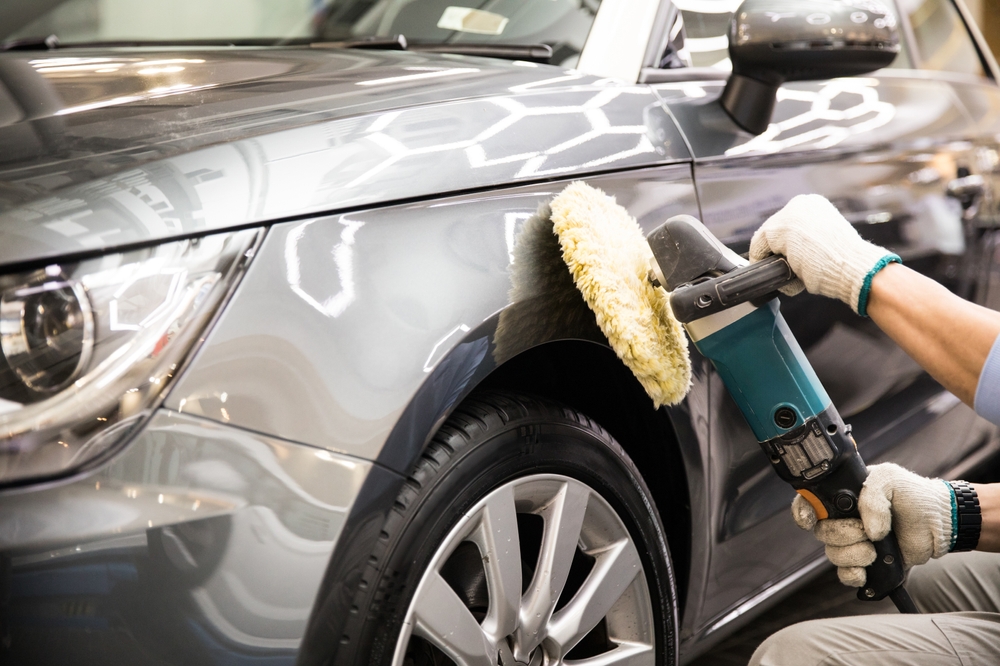
Thorough paint correction and restoration involves proper decontamination, polishing, and refinement. A rushed or overly aggressive correction may remove defects temporarily but compromise clear coat thickness. A precise, multi-stage approach delivers longer-lasting results.
Severity of Oxidation or Damage
Auto paint restoration for faded paint or mild oxidation tends to last longer than restoration performed on heavily damaged finishes. Severe oxidation, clear coat failure, or deep scratches may limit durability unless properly stabilized.
Climate and UV Exposure
Vehicles exposed to intense sunlight experience faster degradation. Auto paint restoration for sun-damaged cars in hot climates requires stronger protection to maintain gloss.
Frequency of Washing
Improper washing techniques create swirl marks and micro-scratches. Over time, this reduces clarity and gloss even after automotive paint restoration.
Use of Wax or Ceramic Coating
A high-quality sealant or ceramic coating significantly extends the lifespan of exterior paint restoration by adding UV and chemical protection.
Storage: Garage vs Outdoor Parking
Garage-kept vehicles preserve results much longer than cars parked outdoors daily.
What Determines the Longevity of Auto Paint Restoration?
Understanding how restoration works explains why longevity varies.
How Does Auto Paint Restoration Work?
Car paint repair and restoration removes surface-level defects by leveling the clear coat through polishing. This process eliminates oxidation, swirl marks, and dullness while restoring reflectivity.
For cases like:
- Auto paint restoration for oxidized paint
- Auto paint restoration for swirl marks and scratches
- How to fix dull paint with auto paint restoration
The goal is refinement and surface clarity rather than repainting.
Why Does Longevity Vary?
Longevity depends on how much clear coat remains after correction and how well it’s protected. Paint that has suffered auto paint restoration for peeling a clear coat may require additional treatment or protective layering.
Key Components That Impact Durability
- Clear coat thickness
- Proper decontamination
- Protective sealant application
- Regular maintenance
How Does Climate Impact Auto Paint Restoration Results?
Climate plays a major role. In humid environments, moisture accelerates oxidation. In dry, high-UV regions, sun exposure breaks down clear coat more quickly.
Vehicles undergoing auto paint restoration for sun damaged cars in hot climates benefit significantly from ceramic coatings and covered parking.
Road salt, acid rain, and pollution also reduce durability if left untreated.
Does Ceramic Coating Extend Auto Paint Restoration Results?
Yes. Ceramic coatings act as a protective barrier over corrected paint. They:
- Shield against UV rays
- Repel water and contaminants
- Reduce oxidation
- Preserve gloss
When applied after professional auto paint restoration, ceramic coating can extend results up to 3–5 years with proper care.
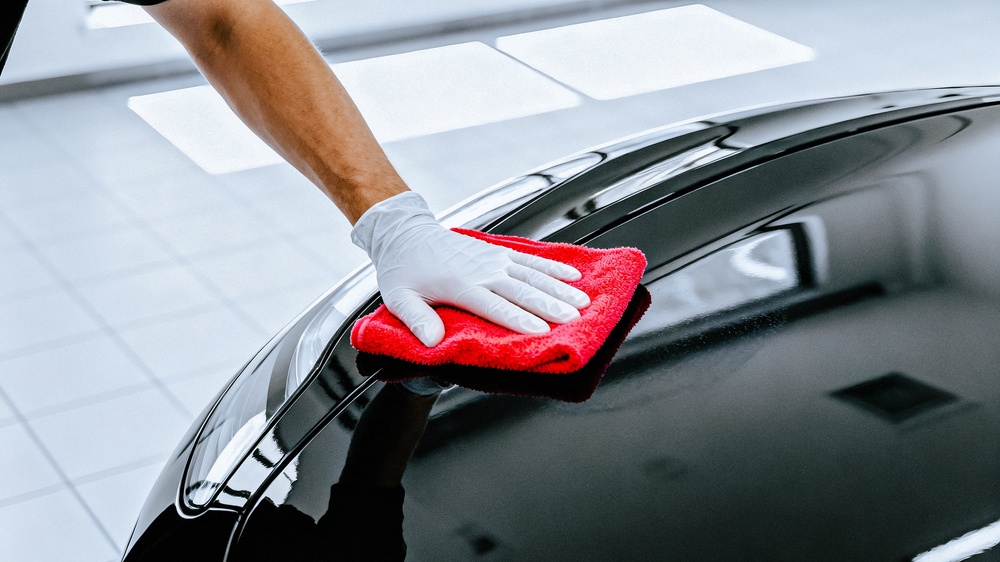
How Does Maintenance Affect Paint Restoration Longevity?
Even the highest-quality paint restoration service requires maintenance.
Best Practices:
- Wash using pH-balanced car shampoo
- Use microfiber towels
- Apply wax every 3–4 months (if no ceramic coating)
- Avoid automatic brush car washes
- Remove bird droppings quickly
Common Mistakes:
- Using household detergents
- Skipping protective layers
- Allowing prolonged sun exposure
- Ignoring early oxidation
How Does Auto Paint Restoration Compare to Repainting in Longevity?
| Feature | Auto Paint Restoration | Repainting |
| Cost | Moderate | High |
| Downtime | 1–2 days | Several days |
| Preserves Original Paint | Yes | No |
| Longevity | 1–5 years | 5–10+ years |
| Best For | Oxidation, swirl marks | Severe clear coat failure |
Repainting offers longer lifespan but at significantly higher cost and loss of original factory finish. For most cases, auto paint restoration for faded paint provides strong value without full repainting.
Case Study: How Does Auto Paint Restoration Hold Up on a Daily Driver?
A sedan exposed to daily sun and highway driving underwent automotive paint restoration for oxidation and swirl marks. After correction and ceramic coating:
- Gloss restored to near showroom condition
- Minor defects eliminated
- Maintained shine for over 3 years with proper washing
- Required only light maintenance polishing
The key factor was consistent maintenance and protection.
Is Auto Paint Restoration Worth It for Long-Term Results?
For most vehicles, yes. It restores appearance without repainting costs. If your vehicle suffers from:
- Dull finish
- Light oxidation
- Swirl marks
- Minor scratches
Then auto paint restoration offers excellent return on investment.
When Should You Consider Another Paint Restoration?
You may need another round if:
- Oxidation reappears
- Gloss noticeably fades
- Surface feels rough
- Clear coat shows early signs of breakdown
Typically, vehicles benefit from light restoration every 1–3 years depending on exposure.
Conclusion
Auto paint restoration can last anywhere from several months to multiple years depending on damage severity, protection, and maintenance. With proper care and protective coatings, restored paint maintains its gloss and clarity far longer than untreated finishes.
For drivers looking to maintain long-term shine, combining professional restoration with proper cleaning routines makes a significant difference. Services from Status Automotive & Collision help vehicle owners protect exterior surfaces through consistent, quality maintenance, supporting longer-lasting paint restoration results.
Investing in the right process today helps preserve your vehicle’s finish for years ahead. Book an appointment today.
References
- GTechniq | Benefits of Ceramic Coating
- International Carwash Association
- Automotive Service Excellence (ASE)
FAQs
How long does professional auto paint restoration last?
Professional auto paint restoration typically lasts 1 to 5 years, depending on protection and maintenance.
Does auto paint restoration permanently fix faded paint?
It corrects surface-level oxidation but does not permanently prevent future fading without protective coatings.
How often should I get auto paint restoration?
Most vehicles benefit every 1–3 years, depending on climate and exposure.
Is paint restoration better than repainting?
For moderate damage, restoration is cost-effective and preserves factory paint. Repainting is best for severe clear coat failure.