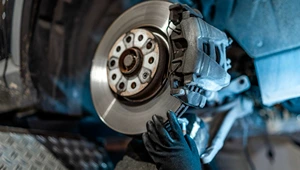
Maintaining a vehicle’s braking system is not just about convenience — it is a critical safety measure. Brake inspection ensures that your car can stop effectively, protecting you, your passengers, and others on the road. Skipping inspections or ignoring routine issues can result in dangerous failures, expensive repairs, and preventable accidents.
A brake system inspection checks the health of components like brake pads, rotors, calipers, and brake fluid. By adhering to routine brake maintenance, you reduce the risk of sudden brake failure while saving money over time. Understanding what happens during an inspection and recognizing early warning signs allows drivers to act before small problems escalate.
Regular brake inspections and following a brake maintenance schedule are essential for safety, cost management, and peace of mind. Knowing when to inspect your brakes, what to look for, and how often to perform these checks can prevent accidents and costly repairs.
How Often Should You Get Your Brakes Inspected?
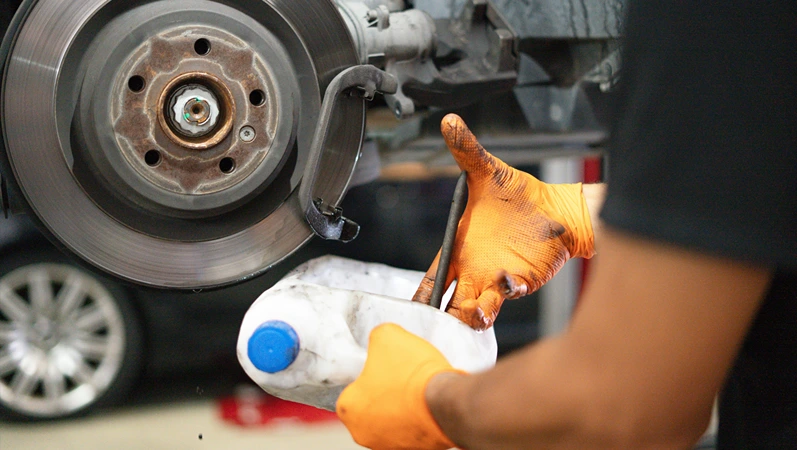
Vehicle owners often ask, how often should I get my brakes inspected. Most experts recommend a brake inspection every 6–12 months, depending on driving habits and conditions. For typical daily driving, a yearly inspection or every 10,000–12,000 miles is sufficient. Drivers in heavy city traffic, towing loads, or driving in hilly areas should schedule inspections more frequently — every 6–8 months or 5,000–8,000 miles.
Performing routine brake maintenance is crucial. Well-maintained brakes prevent accidents, maintain stopping power, and avoid cascading damage to rotors, calipers, and brake lines. Addressing small issues early also keeps costs manageable. Brake service intervals and following a brake maintenance schedule are key to extending brake system lifespan.
Immediate inspection is necessary if you notice any signs you need a brake inspection, including unusual noises, dashboard warning lights, vibrations, or changes in braking performance. Acting promptly can prevent dangerous situations and costly repairs.
Key Takeaways
- Schedule a brake inspection at least once per year or every 10,000–12,000 miles for normal driving.
- Drivers in heavy stop-and-go traffic should inspect brakes every 6–8 months.
- Brake inspection cost for routine checks typically ranges from $0–$100.
- Ignoring warning signs can escalate repair costs from $150–$300 for worn pads to over $1,000 for rotor and caliper damage.
- Recognize noises like squealing, grinding, or screeching as immediate triggers for inspection.
Why Routine Brake Inspection Is Non-Negotiable for Safety
Even minor brake issues can become major safety risks. A brake system inspection identifies potential failures before they occur, ensuring your vehicle remains safe under all driving conditions. Regular inspections prevent sudden loss of braking power, reduce accident risk, and protect your investment.
Brake Failure Can Happen Without Warning
Brakes wear gradually, often going unnoticed until failure occurs. Thin pads can lead to metal-on-metal grinding, warped rotors, and reduced stopping power. This process, known as brake fade, can happen suddenly and endanger drivers and passengers. Even a minor delay in braking response significantly increases stopping distance and accident risk.
The Financial Case for Regular Brake Maintenance
Regular routine brake maintenance is cost-effective.
Consider these ranges:
- Worn brake pads: $150–$300
- Damaged rotors: $400–$800
- Damaged calipers: $300–$500 per caliper
A brake inspection checklist performed at a professional shop costs $50–$100 and can prevent $1,000+ repairs. Investing in inspections saves money, prevents vehicle downtime, and ensures maximum safety.
What Happens During a Professional Brake Inspection?
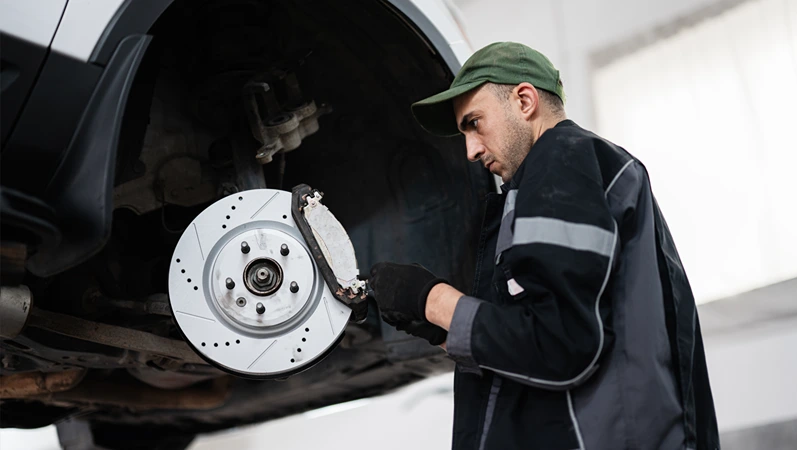
A professional brake inspection evaluates the entire braking system for wear, damage, and performance issues. Technicians inspect each component, measure pad thickness, check fluid condition, and ensure proper operation. Understanding this process helps vehicle owners feel confident about scheduling inspections.
The Six Core Components of a Brake System Inspection
- Brake Pads/Shoes: Checked for thickness and wear. Thin pads require replacement to avoid rotor damage.
- Rotors/Drums: Inspected for warping, scoring, and thickness. Damaged rotors affect stopping performance.
- Calipers: Checked for smooth movement and leaks. Malfunctioning calipers reduce braking efficiency.
- Brake Fluid: Monitored for level and contamination. Old or low fluid causes spongy pedals and potential system failure.
- Brake Lines/Hoses: Examined for leaks, cracks, or bulges. Compromised lines can lead to total hydraulic failure.
- Parking Brake: Ensures emergency brake functionality and cable integrity.
How Long Does a Brake Inspection Take and What Does It Cost?
Most professional inspections take 30–45 minutes, depending on vehicle type. Many shops offer free inspections, with a typical brake inspection cost ranging from $50–$100 when not complimentary. Free checks usually include pad and rotor condition, brake fluid level, and a system overview. Additional work, like rotor resurfacing or fluid replacement, will increase the cost.
Warning Signs Your Brakes Need Immediate Inspection
Recognizing warning signs is critical for preventing accidents and expensive repairs. Use this section as your reference checklist.
Noise: Squealing, Squeaking, Grinding, or Screeching
- Squealing: Pads are nearing the end of life.
- Grinding: Metal-on-metal contact indicates pads are completely worn.
- Screeching: Possible stuck caliper or damaged hardware.
Ignoring these noises can escalate brake damage rapidly.
Performance Changes: Longer Stopping Distances or Soft Pedal
- Increased stopping distance
- Spongy or sinking brake pedal
- Delayed response indicates air in brake lines or fluid issues
Prompt inspection ensures brakes regain full efficiency and avoid accidents.
Visual and Sensory Warnings: Dashboard Lights, Vibrations, Pulling
- Brake warning light alerts to a problem
- Vibrations/pulsations often indicate warped rotors
- Vehicle pulling to one side may signal uneven pad wear or stuck calipers
These secondary signs complement audible and performance indicators.
Table 1: Brake Inspection Frequency Guidelines by Driving Conditions
| Driving Conditions | Recommended Inspection Frequency | Reason |
| Normal daily driving (suburban/highway) | Every 12 months or 10,000–12,000 miles | Standard wear rate for average driving |
| Heavy city traffic (frequent stops) | Every 6–8 months or 6,000–8,000 miles | Stop-and-go traffic accelerates brake pad wear |
| Mountain/hilly terrain | Every 6–8 months or 6,000–8,000 miles | Frequent braking on downhill grades generates heat and wear |
| Towing or hauling heavy loads | Every 6 months or 6,000 miles | Extra weight increases braking demand significantly |
| Performance/aggressive driving | Every 6 months or 5,000 miles | Hard braking causes faster pad wear and rotor heat stress |
| Light use (under 5,000 miles/year) | Every 12 months minimum | Infrequent use can cause brake corrosion and fluid degradation |
Table 2: Brake Warning Signs — Severity and Action Timeline
| Driving Conditions | Recommended Inspection Frequency | Reason |
| Normal daily driving (suburban/highway) | Every 12 months or 10,000–12,000 miles | Standard wear rate for average driving |
| Heavy city traffic (frequent stops) | Every 6–8 months or 6,000–8,000 miles | Stop-and-go traffic accelerates brake pad wear |
| Mountain/hilly terrain | Every 6–8 months or 6,000–8,000 miles | Frequent braking on downhill grades generates heat and wear |
| Towing or hauling heavy loads | Every 6 months or 6,000 miles | Extra weight increases braking demand significantly |
| Performance/aggressive driving | Every 6 months or 5,000 miles | Hard braking causes faster pad wear and rotor heat stress |
| Light use (under 5,000 miles/year) | Every 12 months minimum | Infrequent use can cause brake corrosion and fluid degradation |
DIY Brake Inspection: What You Can Check at Home
DIY inspections are helpful for spotting early issues between professional checks. They do not replace full brake system inspections but give drivers confidence and awareness.
Visual Brake Pad Inspection Through Your Wheels
- Look through wheel spokes to assess pad thickness
- Minimum safe thickness: ¼ inch (6mm)
- If pads are thinner, schedule replacement immediately
- Works only for wheels with visible pads; some designs may prevent visual inspection
DIY Brake Inspection Checklist
1. Visual Brake Pad Inspection Through Wheel Spokes
- Look through your wheel spokes to see the brake pads.
- Minimum safe thickness: ¼ inch (6mm).
- If pads are thinner or worn unevenly, schedule a professional replacement.
2. Check Brake Fluid Level
- Open the brake fluid reservoir under the hood.
- Ensure the fluid is between the “min” and “max” lines.
- Low fluid may indicate a leak or worn pads.
- Note: Contaminated or dark fluid requires professional flushing.
3. Listen for Brake Noises
- Squealing: pads nearing end of life
- Grinding: pads completely worn, metal-on-metal contact
- Screeching or clunking: possible stuck caliper or loose components
4. Test Brake Pedal Feel
- Press the pedal while the car is off to check firmness.
- Pedal should feel firm, not spongy or sinking.
- A spongy pedal could indicate air in lines or fluid issues.
5. Observe Stopping Performance on a Safe Road
- During a gentle test drive, note any:
- Longer stopping distances
- Pulling to one side
- Vibrations or pulsations
6. Inspect Visible Brake Lines and Hoses
- Check for cracks, bulges, or leaks in exposed lines.
- Do not attempt internal or under-dash inspections — leave those to professionals.
7. Check for Dashboard Brake Warning Lights
- Any illuminated brake light is a signal to schedule a professional brake inspection immediately.
What DIY Inspection Cannot Replace
- Rotor thickness and warping checks
- Caliper operation
- Brake fluid condition
- Brake line integrity
- Parking brake cable function
A professional brake inspection checklist with wheels removed is required for comprehensive evaluation.
Brake Maintenance Is Safety Maintenance — Don’t Compromise
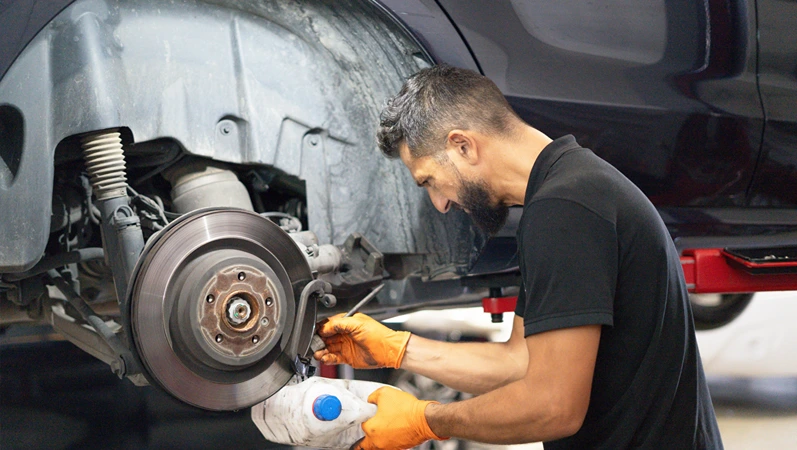
Regular routine brake maintenance is essential for both safety and cost savings. Following a brake maintenance schedule, conducting inspections, and addressing warning signs promptly prevent serious accidents. Schedule professional brake checks and maintain your brake pad inspection frequency and brake fluid inspection frequency.
For reliable service, visit Status Automotive & Collision, trusted for thorough inspections and expert guidance. Get a quote today!
References
- National Highway Traffic Safety Administration – Brake Safety Overview
- Consumer Reports – Brake Maintenance and Replacement Costs
- Brake Manufacturers Council – Brake Inspection Best Practices
Frequently Asked Questions (FAQs)
How often should brakes be inspected?
Brakes should be inspected every 6–12 months, depending on driving conditions. Drivers in heavy traffic or towing frequently should inspect brakes every 6–8 months.
What are the signs you need new brakes?
When to replace brake pads? Signs include squealing or grinding noises, a soft or spongy pedal, vibrations when braking, dashboard brake warning lights, and pulling to one side.
How much does a brake inspection cost?
Typical brake inspection cost ranges from $50–$100. Many shops offer free brake checks as part of routine maintenance.
Can I inspect my brakes myself?
DIY inspections can check pad thickness and fluid level but cannot assess rotor warping, caliper function, or line integrity. Professional inspections remain essential.
What is included in a brake inspection?
A full brake system inspection evaluates pads, rotors, calipers, brake fluid, lines/hoses, and parking brake operation.
How long do brake pads last?
Brake pad life depends on driving conditions but typically ranges from 25,000–70,000 miles. Regular brake pad inspection frequency prevents sudden failures.
What happens if you don’t get your brakes inspected?
Ignoring inspections can lead to complete brake failure, longer stopping distances, costly repairs, and increased accident risk.