Keeping your car running smoothly requires more than just filling up on gas and washing it regularly. Preventive maintenance for cars is the cornerstone of vehicle longevity, safety, and performance. By staying proactive, drivers can avoid costly repairs, extend their vehicles’ lifespans, and ensure consistent reliability on the road.
A guide for preventive car maintenance helps you understand the tasks, schedules, and checks that should be performed to maintain optimal vehicle health. From routine oil changes to brake inspections, following a preventive maintenance checklist for cars keeps minor issues from turning into major repairs. Whether you own a sedan, SUV, or truck, adopting a preventive maintenance service for your car is a smart strategy for long-term care.
What Exactly Is Preventive Maintenance for Cars?
Preventive maintenance for cars refers to scheduled services and inspections designed to prevent breakdowns and ensure optimal performance. Unlike reactive repairs, which address problems after they occur, preventive maintenance focuses on early detection and correction of potential issues.
This type of maintenance covers a wide range of tasks, including oil changes, fluid checks, brake inspections, tire rotations, and diagnostics. A comprehensive preventive maintenance schedule for cars helps drivers plan service appointments, avoiding unexpected failures and costly repairs.
Why Is Preventive Maintenance So Important?
Regular preventive maintenance ensures your vehicle remains safe, reliable, and efficient. Cars that receive routine care are less likely to experience mechanical failures or unexpected breakdowns. Additionally, maintaining a vehicle’s systems according to the manufacturer’s recommendations helps preserve its resale value.
Skipping preventive maintenance can lead to reduced fuel efficiency, premature wear of parts, and an increased likelihood of accidents caused by faulty components. A preventive maintenance checklist for cars helps drivers address these risks before they escalate, saving both money and stress over time.
What Are the Best Preventive Maintenance Tasks to Do Regularly?
Following a preventive maintenance checklist for cars can help you prioritize key tasks.
Completing these steps regularly ensures your car continues to operate safely and efficiently.
1. Regular Oil and Filter Changes
Oil lubricates your engine, reducing friction and preventing overheating. Regular oil and filter changes remove dirt and debris, allowing the engine to run smoothly. Following the manufacturer’s recommended intervals is crucial for long-term engine health.
2. Tire Inspections and Rotations
Inspect tires for wear, damage, and proper air pressure. Tire rotations promote even tread wear and extend tire life. Proper tire maintenance enhances fuel efficiency, improves handling, and reduces the risk of blowouts.
3. Brake System Checks
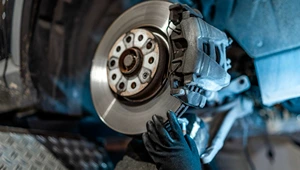
Brakes are essential for safety. Inspect brake pads, rotors, and fluid regularly. Addressing worn components early prevents costly repairs and ensures consistent stopping power.
4. Fluid Level Checks and Replacements
Engine coolant, transmission fluid, brake fluid, and power steering fluid must be monitored and replaced according to your vehicle’s schedule. Maintaining proper fluid levels prevents overheating, system failures, and poor performance.
5. Battery and Electrical Inspections
A weak battery can leave you stranded. Check battery terminals for corrosion and ensure connections are secure. Electrical system inspections also help detect alternator or wiring issues before they cause major problems.
6. Air Filter and Cabin Filter Replacements
Air filters protect your engine from dust and debris, while cabin filters ensure clean air inside the vehicle. Replacing filters regularly improves engine efficiency and cabin air quality.
7. Belt and Hose Inspections
Belts and hoses are critical for engine operation. Inspect them for cracks, fraying, or leaks. Replacing worn belts and hoses prevents breakdowns and protects the engine.
8. Lighting and Wiper Blade Maintenance
Proper lighting and functioning wipers are essential for visibility and safety. Check headlights, brake lights, and turn signals regularly, and replace wiper blades as needed.
9. Scheduled Tune-Ups and Diagnostics
Periodic tune-ups and diagnostics identify hidden issues before they become major problems. This includes checking spark plugs, sensors, and engine performance. Many professional auto shops, including Status Automotive & Collision, offer comprehensive preventive maintenance services for cars that include diagnostic testing.
How Often Should Preventive Maintenance Be Performed?

Preventive maintenance schedules vary based on mileage, vehicle type, and driving conditions. Generally, oil changes are recommended every 3,000 to 7,500 miles, while tire rotations occur every 6,000 to 8,000 miles. Brake inspections should be done at least once a year, or sooner if you notice issues. Regularly reviewing your car’s manual and following a preventive maintenance schedule ensures each task is performed at the proper interval.
What Happens If You Ignore Preventive Maintenance?
Neglecting preventive maintenance for cars can lead to serious consequences.
Common issues include:
- Engine overheating or failure
- Brake malfunctions
- Poor fuel efficiency
- Tire blowouts
- Electrical system failures
For example, skipping oil changes can lead to sludge buildup, reducing engine performance and eventually requiring costly repairs or replacements. A small investment in preventive maintenance can prevent these expensive problems.
Can You Do Preventive Maintenance Yourself?
Many preventive maintenance tasks can be done at home, such as checking fluid levels, inspecting tires, and replacing wiper blades. However, more technical services, such as brake replacement, battery diagnostics, and engine tune-ups, should be performed by professionals. Using a preventive maintenance service for your car ensures that complex tasks are handled safely and effectively.
How Can You Track Your Car’s Maintenance Schedule?
Keeping a detailed maintenance log is key to staying on top of your car’s needs. Use a digital app, calendar reminders, or a written log to track oil changes, tire rotations, fluid checks, and inspections. Following a preventive maintenance checklist for cars allows you to plan and avoid missed services.
What Are the Signs Your Car Needs Preventive Maintenance Right Away?
Recognizing early signs of vehicle problems helps prevent major repairs. Pay attention to these warning indicators:
Strange Noises or Vibrations
Unusual engine sounds, grinding brakes, or steering wheel vibration may signal worn components that need immediate attention.
Dashboard Warning Lights
Illuminated warning lights indicate system malfunctions. Ignoring these alerts can lead to costly repairs or unsafe driving conditions.
Fluid Leaks or Burning Smells
Leaks, smoke, or burning odors are signs of mechanical issues that require prompt action.
Poor Braking Performance or Steering Response
Reduced brake performance or difficulty steering can indicate a serious safety concern. Early diagnosis prevents larger issues later.
How Does Preventive Maintenance Save You Money Long-Term?
Investing in preventive maintenance for cars reduces repair costs by addressing issues early. Regular care extends your vehicle’s life, improves fuel efficiency, and prevents sudden breakdowns that can be expensive to fix. Over time, proactive maintenance far outweighs the cost of reactive repairs. Choosing a professional service such as Status Automotive & Collision ensures that your car receives expert care and reduces unexpected expenses.
Maintaining Your Car for a Safer Future

Preventive maintenance is not optional for responsible car ownership. Following a preventive maintenance schedule for cars, using a preventive maintenance checklist, and consulting a guide for preventive car maintenance ensures your vehicle operates safely, efficiently, and reliably.
A proactive approach keeps your car in top shape and prevents minor problems from becoming major headaches. By partnering with trusted professionals like Status Automotive & Collision, drivers can enjoy peace of mind, better performance, and long-term savings. Get a quote today!